
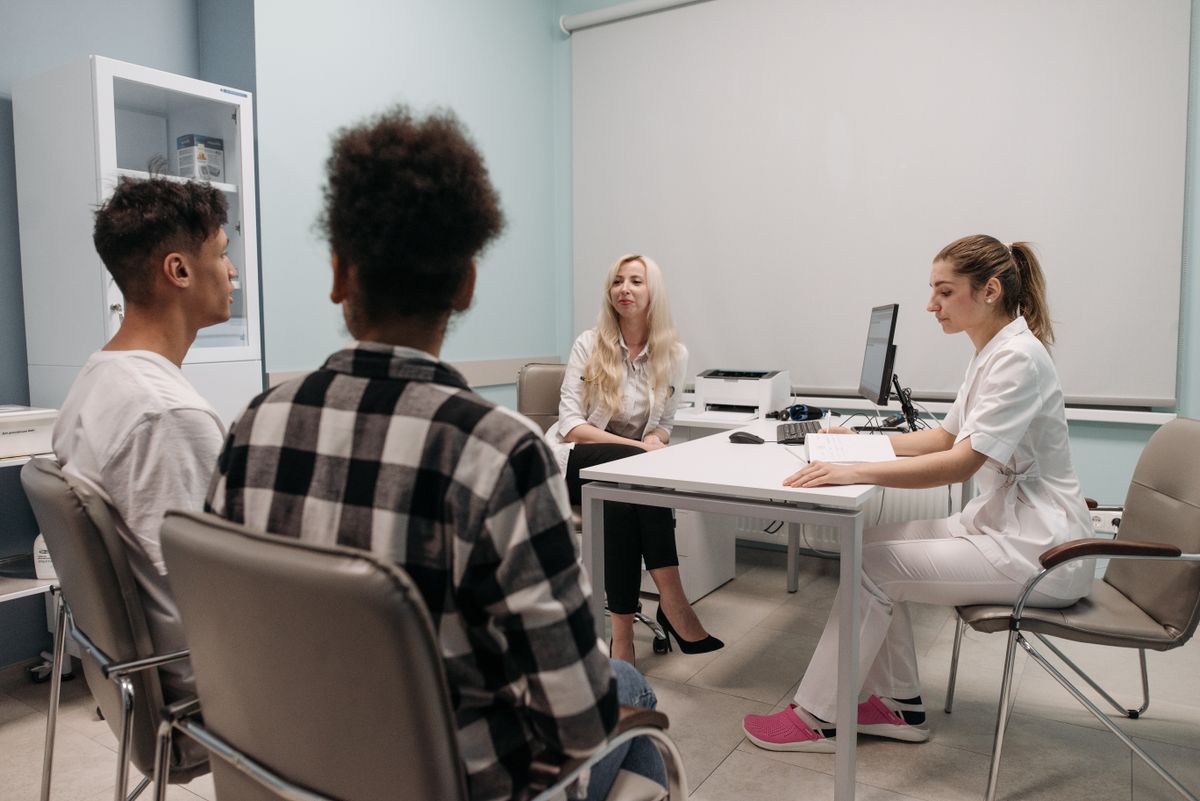
Many people start thinking about their health once they find out they are pregnant. But some of the most helpful steps happen before pregnancy even begins. A preconception visit gives you time to talk with your provider about your health, your plans, and how to get ready.
It is a simple appointment that can help you feel more confident about the road ahead.
What Preconception Counseling Is
Preconception counseling is a visit focused on your health before pregnancy. It is a chance to look at your medical history, current health, medications, and lifestyle with your provider and talk about anything that could affect a future pregnancy.
These visits are helpful for anyone thinking about pregnancy, whether in the next few months or in a year or two. They can be especially useful if you have a chronic health condition, take regular medications, or had complications in a past pregnancy.
Topics You May Discuss
Every visit is personal, but many preconception appointments touch on similar topics. Your provider may talk with you about:
- Your medical history and any ongoing health conditions
- Medications and supplements, and whether any should change
- Folic acid and other prenatal vitamins
- Vaccines that are recommended before pregnancy
- Past pregnancies, including any complications
- Family health history and genetic screening options
- Habits like smoking, alcohol, exercise, and nutrition
- Stopping birth control and what to expect afterward
Never stop or change a prescription on your own while planning a pregnancy. Your provider can help you make changes safely.
Why Planning Ahead Helps
Many of the most important stages of a baby’s development happen very early, often before a person knows they are pregnant. Starting healthy habits and reviewing medications ahead of time means you are already prepared when that time comes.
A preconception visit is also a good time to catch up on routine care, such as a well-woman exam or Pap test if you are due. Taking care of those ahead of time can make prenatal care simpler later.
Planning ahead also gives you time to ask questions without pressure. You can talk about timing, how long it may take to conceive, and what to do if pregnancy does not happen as quickly as you hoped. If concerns come up about fertility, your provider can talk with you about next steps.
Questions to Bring to Your Visit
It helps to come prepared. Before your appointment, think about questions like: How soon should I start a prenatal vitamin? Are my current medications safe in pregnancy? Is there anything I should do about my weight, blood pressure, or other health concerns first? How long after stopping birth control might it take to get pregnant?
You do not need to have every answer before your visit. Some people come in with a clear timeline, and others are simply starting to think about it. Both are perfectly fine reasons to schedule a preconception appointment.
Bring a list of your medications, any past pregnancy records, and what you know about your family’s health history. If you have a partner, they are welcome to be part of the conversation too.
Care From Planning Through Postpartum
Women’s Health Associates offers obstetric care that starts with preconception counseling and continues through childbirth and postpartum. Our team includes obstetricians and certified nurse midwives, and we also offer family planning and infertility care. That means you can work with one practice from the first planning conversation to the arrival of your baby.
If you are thinking about pregnancy, contact Women’s Health Associates to schedule a preconception visit in Boise. We are glad to help you plan ahead and feel ready for what comes next.
About the author : fencepro1