
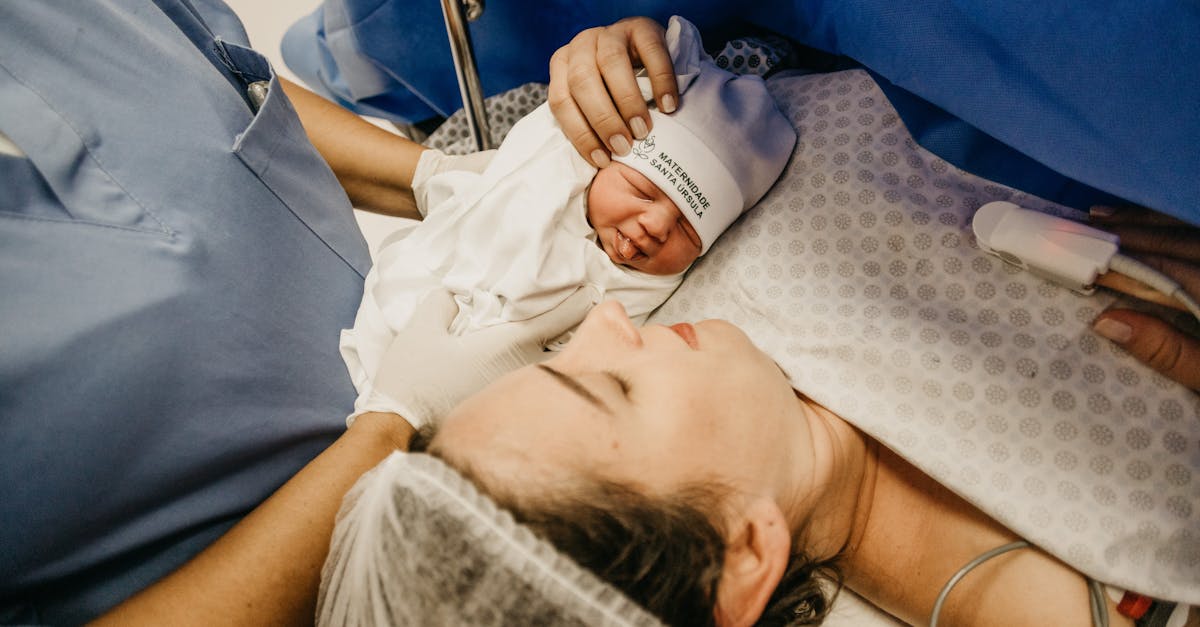
The weeks and months after having a baby are filled with joy, exhaustion, and a whirlwind of new emotions — sometimes all at once. For many women in Boise and throughout Idaho, the postpartum period brings emotional challenges that go well beyond the commonly discussed “baby blues.” Understanding the range of postpartum mental health experiences can help you recognize when it might be time to talk to a provider.
What Are the “Baby Blues”?
It’s estimated that up to 80% of new mothers experience some degree of mood changes in the first couple of weeks after delivery. Often called the “baby blues,” these feelings can include tearfulness, irritability, anxiety, and mood swings. The baby blues are generally mild, short-lived, and tend to resolve on their own within about two weeks.
While the baby blues are common and typically don’t require treatment, they’re worth mentioning to your provider — especially if symptoms feel more intense than expected or don’t seem to be improving.
When It’s More Than the Baby Blues
Postpartum depression (PPD) and postpartum anxiety are more persistent and can significantly affect daily life. Unlike the baby blues, these conditions don’t typically resolve on their own and often benefit from professional support. Symptoms can begin anytime in the first year after delivery — and sometimes even during pregnancy itself.
Common signs of postpartum depression include:
- Persistent sadness or feelings of emptiness — lasting most of the day, nearly every day
- Difficulty bonding with your baby — feeling disconnected, numb, or overwhelmed by caregiving
- Changes in appetite or sleep — beyond what’s expected with a newborn
- Loss of interest in activities — things that used to bring you pleasure no longer do
- Excessive guilt or feelings of worthlessness — believing you’re not a good enough mother
- Difficulty concentrating or making decisions
- Thoughts of harming yourself or your baby — if you experience these, please reach out to a provider or crisis line immediately
Postpartum anxiety can look different — racing thoughts, constant worry about the baby’s safety, difficulty relaxing, physical symptoms like a racing heart or tight chest, and trouble sleeping even when the baby is sleeping. Some women experience both depression and anxiety together.
Risk Factors to Be Aware Of
Any new mother can develop postpartum depression or anxiety, regardless of age, background, or how much she wanted her baby. That said, certain factors may increase the likelihood:
- A personal or family history of depression or anxiety
- A difficult pregnancy or delivery
- Lack of a strong support system
- Major life stressors — financial difficulties, relationship challenges, or a recent move
- A history of premenstrual mood changes
- A baby with health concerns or special needs
Having one or more risk factors doesn’t mean you will develop postpartum depression — but it does mean that staying connected with your provider and being honest about how you’re feeling is especially important.
Why It Matters to Speak Up
One of the biggest barriers to getting help for postpartum mental health concerns is the stigma that still surrounds them. Many women feel pressure to appear happy and grateful after having a baby, and admitting to feelings of sadness, anxiety, or overwhelm can feel like failure. It’s not.
Postpartum mood disorders are medical conditions — not character flaws. They are influenced by hormonal shifts, sleep deprivation, and the enormous physical and emotional demands of caring for a newborn. Seeking help is one of the strongest things a new mother can do for herself and her family.
What Support Looks Like
Treatment for postpartum depression and anxiety varies depending on the individual. Options may include therapy (particularly cognitive behavioral therapy), medication, support groups, and lifestyle adjustments. Your provider can help determine what approach makes sense for your situation.
What’s most important is that you don’t try to navigate it alone. Even a brief conversation with your OB/GYN, midwife, or primary care provider can be a meaningful first step.
Support for Boise-Area Moms
At Women’s Health Associates, we understand that the postpartum period is about more than physical recovery. Our providers are experienced in supporting women through the emotional and mental health challenges that can accompany new motherhood. Whether you’re currently pregnant and want to plan ahead, or you’re in the thick of the postpartum period and struggling, we’re here to help.
Visit our obstetrics page to learn more about our pregnancy and postpartum care, or explore our midwifery services for a personalized approach to your care. When you’re ready to reach out, contact us here.
For more information on postpartum depression, the American College of Obstetricians and Gynecologists (ACOG) FAQ on postpartum depression is a trusted and helpful resource.
This post is intended for general educational purposes only and does not constitute medical advice. Please consult a qualified women’s health provider for guidance specific to your individual needs.
About the author : fencepro1