
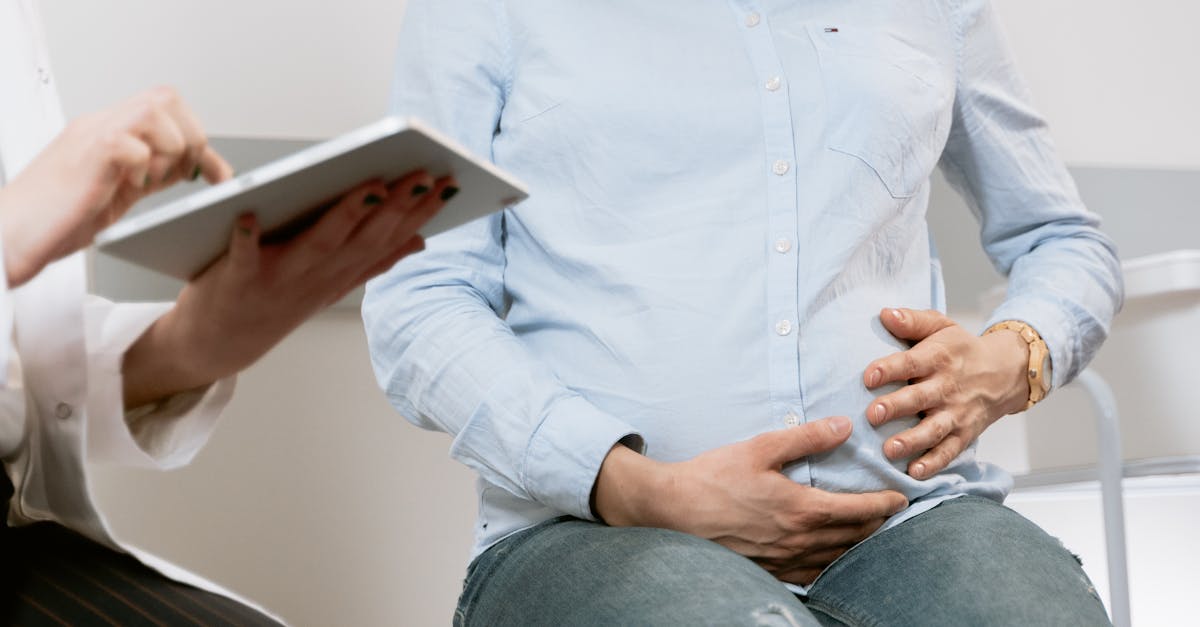
Many women grow up believing that painful periods are simply part of being female. Cramps get shrugged off, heating pads become permanent fixtures, and workdays get quietly rescheduled around the worst days of the cycle. But pain that interrupts your life is a medical symptom, not a personality trait, and the right conversation with an OB-GYN can change what you accept as normal. Here is how to prepare for that appointment so you walk out with a plan rather than another prescription for ibuprofen.
Know What Counts as “Too Much” Pain
Mild cramping in the first day or two of a period is common. Pain that keeps you home from work or school, requires prescription-strength medication, causes vomiting or fainting, or worsens year over year is not. Neither is pain during sex, pain with bowel movements around your period, or bleeding heavy enough to soak through a pad or tampon in under two hours.
If any of that sounds familiar, you have a legitimate reason to bring it up. Conditions like endometriosis, adenomyosis, fibroids, and ovarian cysts often hide behind the label of “bad cramps,” and they are treatable once identified.
Track Your Cycle Before You Go
The single most useful thing you can bring to an appointment is data. For at least two cycles — three is better — keep a simple log. Note the days you bleed, how heavy the flow is, when pain starts and stops, what the pain feels like (cramping, stabbing, pressure, radiating), and how it responds to medication. Record any other symptoms that seem to cluster around your cycle: migraines, nausea, bloating, mood changes, painful intercourse, or fatigue.
A period-tracking app is fine, but a written summary you can hand to the physician is often more useful during a short visit. Two paragraphs and a chart of your last few cycles gives your OB-GYN more to work with than fifteen minutes of trying to remember.
Write Down Your History and Your Goals
Before the appointment, jot down when your periods started, whether pain has changed over time, any pregnancies or losses, prior surgeries, family history of endometriosis or fibroids, and every treatment you have already tried — including over-the-counter medications, hormonal birth control, supplements, and heating pads. Note what helped and what did not.
Then write down what you want out of care. “I want to understand why this is happening.” “I want to try something other than the pill.” “I want to preserve fertility.” “I want to stop missing work.” Naming your goal helps your physician tailor the plan instead of guessing.
Use Specific Language in the Room
Vague descriptions invite vague answers. Instead of “my periods are really bad,” try: “For the past two years, days one and two of my period involve cramping severe enough that I vomit and cannot stand up straight. Ibuprofen 800 milligrams every six hours takes the edge off but does not resolve it. It is getting worse.” That sentence gives an OB-GYN more to act on than a full page of general complaints.
Rate your pain honestly. Many women underreport because they have adapted. If your worst days are an eight out of ten, say so, even if you have learned to function through it.
Ask Questions That Push Past Reassurance
If the first response is “some women just have painful periods,” it is fair to ask for more. Useful follow-up questions include: What could be causing this? What would you want to rule out before we settle on a treatment? Are there imaging tests or labs that would help? If we try this medication, what should improvement look like, and when should I come back if it does not work? Is a referral to a specialist in pelvic pain or minimally invasive gynecologic surgery appropriate?
You are not being difficult by asking. You are helping your physician give you a thorough answer, which is what most of them want to do when time allows.
Know What Evaluation Can Look Like
A workup for painful periods often starts with a detailed history, a pelvic exam, and a pelvic ultrasound. Depending on findings, next steps might include bloodwork, additional imaging, a trial of hormonal therapy, or referral for a diagnostic laparoscopy, which remains the definitive test for endometriosis. Treatment ranges from targeted medication to minimally invasive surgery, and the right choice depends on your diagnosis, your age, and whether you are trying to conceive.
Among gynecologists in Boise and the wider Treasure Valley, evaluation for chronic menstrual pain is a routine part of practice. You do not need to wait until symptoms are unbearable to ask for one.
Your Next Step
Before your next period ends, start a written log of your symptoms and pull together the history and questions outlined above. Then schedule a dedicated appointment — not a rushed add-on to an annual exam — to discuss menstrual pain specifically. Tell the scheduler that is the reason for the visit so enough time is allotted. Whether you are in Boise, Meridian, or elsewhere in the Treasure Valley, coming in prepared is the fastest route to real answers, and to a period that no longer runs your calendar.
Featured image: Photo by MART PRODUCTION on Pexels.
About the author : fencepro1